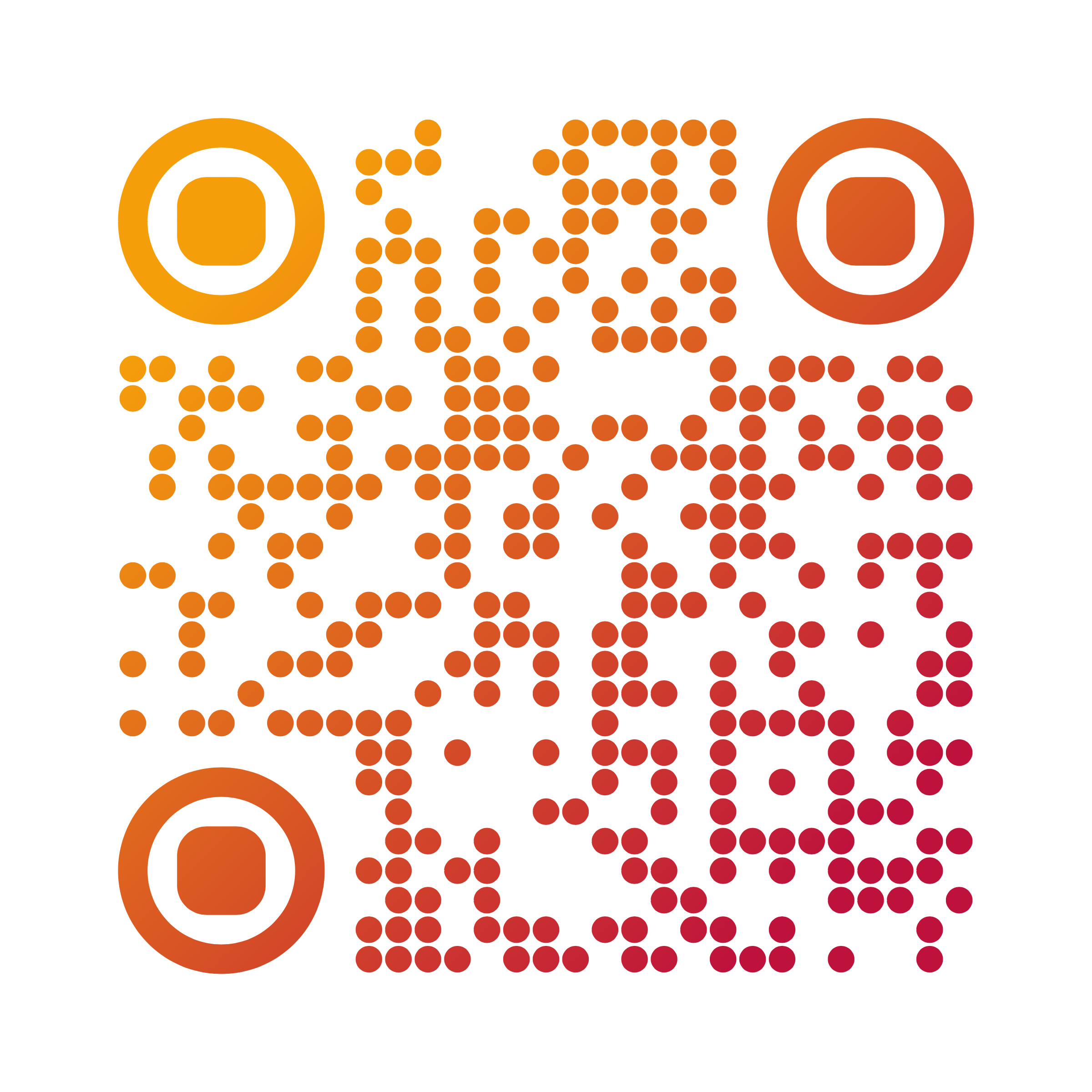
An engraved keyfob gives a stranger your address. A QR keyfob gives them a way to reach you without knowing anything about you, and you can change the number on it whenever you like.
Lost and found tags for keys, bags and tools
A finder scans, taps call, and your keys come home. No app, no address, no engraving.
- Build it below, no account needed
- Edit it after the label is printed
- Opens instantly on any phone camera
- 1 Build your lost and found tag page Fill in the form below and we host the page for you. There is no website to build and nothing to install.
- 2 Style your QR code Your colours, module and corner shapes, your logo in the middle and a scan me frame if you want one.
- 3 Download it or embed it Print-ready PNG and true vector SVG for your printer, or drop the code straight into your own artwork.
- 4 Change it whenever things change Reformulate, move supplier, change a phone number: edit the page and every code already printed follows.
What goes on the tag page
- A message to the finder, in your own words. Politeness works.
- Tap to call buttons, so returning your keys takes one thumb.
- Whether a reward is offered, which measurably improves return rates.
- Somewhere it can be left: a pub, a shop, a reception, for when nobody answers.
- Reference details that identify the item without identifying your home.
Why not just engrave a phone number
Engraving is permanent, and a phone number is not. Change provider, lose a handset, or simply want a different number on there, and the fob is scrap. A QR tag points at a page you control, so the number behind it is yours to change forever.
It is also safer. An engraved address tells whoever finds your keys exactly which door they open. A code tells them nothing except how to reach you.
Good on a domed keyfob
Domed resin labels suit this particularly well. The dome is tough, waterproof and it magnifies slightly, which helps a small code scan reliably on something the size of a keyring. We generate print-ready vector artwork, so the code stays crisp at any size you dome it at.
Typical sizes that work: 25mm and 30mm circles for keyfobs, 38mm for luggage tags, 50mm for tool and equipment tags. Keep the quiet zone and test scan a proof before a production run.
What people tag
House and car keys, luggage and rucksacks, laptop lids and camera bags, bikes and e-scooters, tools and site equipment, instrument cases, and hire kit that walks off.
How it works
- Build the page above with your message and number.
- Generate the code and have it domed onto a fob, or print it on vinyl.
- Change the details whenever you need to. The fob stays the same.
Common questions
Does the finder see my address?
Only if you put one on the page, and we would advise against it. A first name and a mobile number is all most people need. You can also give a drop off point such as a local shop, which keeps the exchange completely indirect.
What if I change my phone number?
Edit the page and the same fob points at the new number. That is the whole reason for using a code rather than engraving.
Will a small code still scan?
Yes, within reason. Keep the code at 20mm or larger for a keyfob, leave the quiet zone alone, and keep good contrast. Doming helps rather than hinders. Always test scan a physical proof before a large run.
Can I put one code on several items?
You can, and for a set of tools that is often sensible. For keys and luggage separately, use one code each so the message and the drop off point can be specific.